The landscape of automotive innovation in India is buzzing with electric energy, and at its forefront stands Tata Motors. In a monumental achievement that underscores its pioneering spirit and commitment to sustainable mobility, Tata Motors has crossed the impressive milestone of 2.5 lakh (250,000) EV sales in India by early 2025 [1]. This isn’t just a number; it’s a testament to a strategic vision, relentless innovation, and growing consumer confidence in electric vehicles across the nation. As an expert SEO content strategist, I’m thrilled to delve into what this landmark achievement means for Tata Motors, the Indian automotive sector, and the future of electric mobility.
This significant milestone solidifies Tata Motors’ position as a dominant force in India’s burgeoning EV market. It represents years of dedicated effort in developing a diverse portfolio of electric vehicles, building robust charging infrastructure, and making EVs accessible to a wider audience. The company’s journey to 2.5 lakh EV sales is a compelling narrative of leadership, resilience, and a clear roadmap for an electric future.
Key Takeaways
- Dominant Market Leader: Tata Motors firmly establishes itself as the undisputed leader in India’s electric vehicle segment, having sold over 250,000 EVs by early 2025.
- Diverse Product Portfolio: The success is driven by popular models like the Nexon EV, Tiago EV, and Punch EV, catering to various customer segments and price points.
- Integrated Ecosystem Approach: Tata Motors’ success is bolstered by its comprehensive approach, including in-house battery tech (Ziptron), extensive charging infrastructure (Tata Power EZ Charge), and robust customer support.
- Catalyst for EV Adoption: The company’s efforts have significantly accelerated EV adoption in India, inspiring competitors and fostering a more vibrant electric vehicle ecosystem.
- Future-Ready Strategy: Tata Motors continues to invest heavily in R&D, new model development, and expanding its charging network, signaling sustained leadership in the electric revolution for years to come.
Tata Motors Crosses 2.5 Lakh EV Sales: A Deep Dive into the Journey
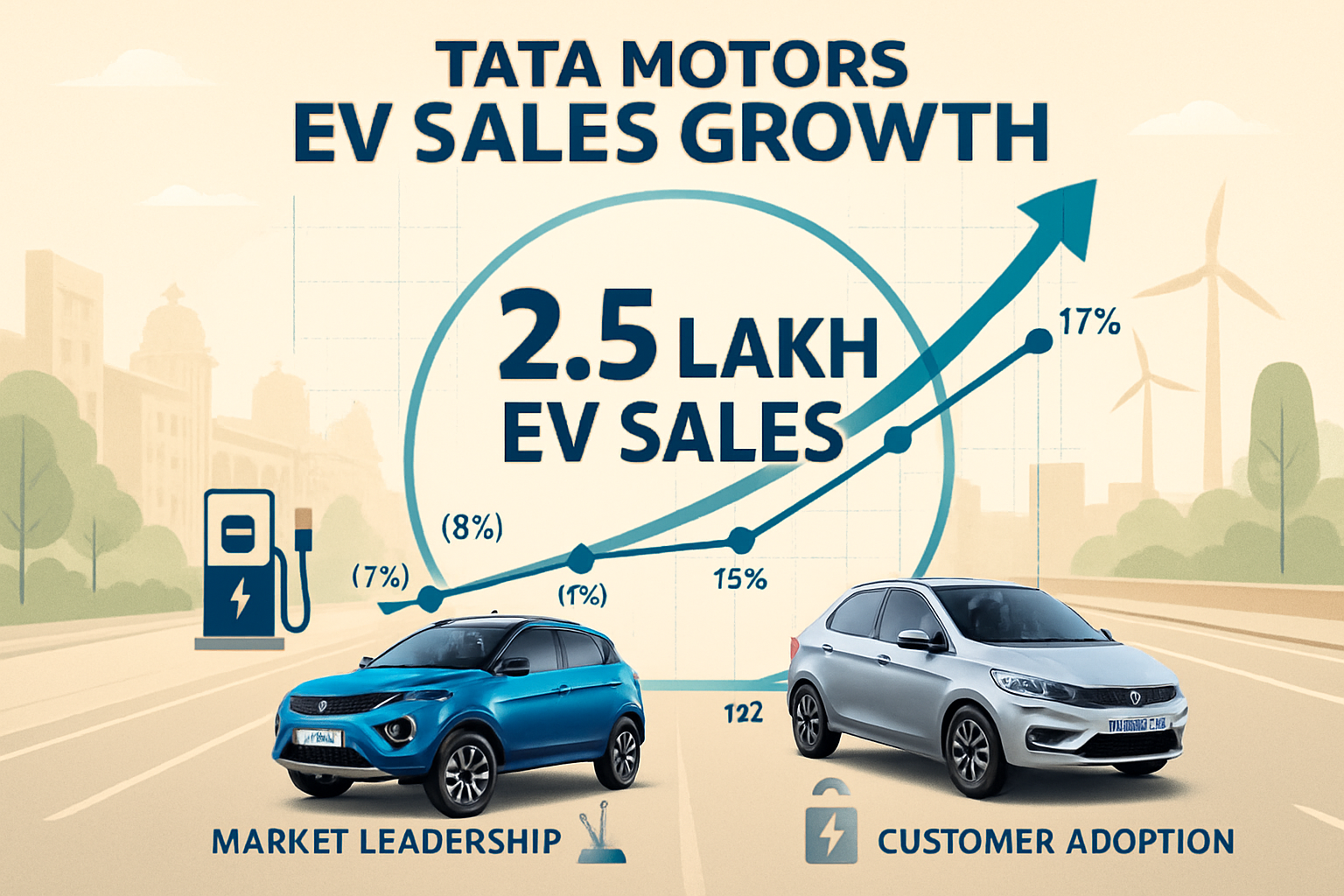
The journey to selling 2.5 lakh electric vehicles has been nothing short of remarkable for Tata Motors. It began with a bold vision to electrify India’s automotive landscape, long before many global players fully committed to the EV transition in emerging markets. This foresight, coupled with aggressive product development and market strategies, has allowed Tata Motors to capture a significant lead.
Early Adopter Advantage and Strategic Planning
Tata Motors recognized the immense potential of electric vehicles in India early on. While many manufacturers were hesitant about the infrastructure challenges and consumer acceptance, Tata Motors invested heavily in R&D and manufacturing capabilities. Their commitment was not just about launching a single EV but about creating a portfolio of electric vehicles that would cater to different segments of the Indian market.
The launch of the Nexon EV in 2020 was a game-changer. It was not only one of the first mass-market electric SUVs in India but also offered a compelling package of range, features, and affordability. This model quickly became the flagbearer for Tata’s EV ambitions and largely contributed to the initial surge in sales. Following the success of the Nexon EV, Tata Motors expanded its offerings with the Tigor EV, Tiago EV, and most recently, the Punch EV. This multi-product strategy has been crucial in appealing to a wider customer base, from entry-level hatchback buyers to those looking for a capable electric SUV.
| Model | Type | Key Contribution to Sales |
|---|---|---|
| Nexon EV | Compact SUV | Pioneer, mass-market success, high volume |
| Tiago EV | Hatchback | Entry-level accessibility, affordable |
| Tigor EV | Sedan | Fleet segment popularity, private buyers |
| Punch EV | Micro SUV | Latest addition, expanding SUV dominance |
The ability of Tata Motors to cross 2.5 lakh EV sales is deeply rooted in this diversified product approach. Each model plays a strategic role, ensuring that a significant portion of potential EV buyers finds a Tata vehicle that fits their needs and budget. For those looking for affordable cars under ₹2 lakh, the EV market still has some way to go, but Tata is making strides in making EVs more accessible.
The Power of Ziptron Technology

A key differentiator for Tata Motors’ EVs is its indigenous Ziptron technology. Developed specifically for Indian conditions, Ziptron focuses on offering a safe, reliable, and powerful electric driving experience. This includes high-voltage architecture, liquid-cooled battery packs, and efficient permanent magnet synchronous motors. By developing this technology in-house, Tata Motors has gained greater control over its product quality, performance, and cost-effectiveness, which is a significant competitive advantage.
- Safety: Rigorous testing ensures battery safety under various conditions.
- Performance: Optimized power delivery and consistent range.
- Reliability: Designed for long-term durability in diverse Indian climates.
This proprietary technology has instilled confidence in consumers, reassuring them about the longevity and performance of their EV purchases. Learn more about the best electric cars in India and see where Tata Motors stands among them.
Building a Robust Charging Ecosystem
The success of electric vehicles is inextricably linked to the availability of charging infrastructure. Tata Motors understood this critical need and strategically partnered with Tata Power to develop an expansive charging network under the “Tata Power EZ Charge” brand. This initiative has been crucial in addressing range anxiety, one of the biggest hurdles for EV adoption in India.
By 2025, the Tata Power EZ Charge network has grown significantly, with thousands of public and semi-public charging points across cities, highways, and residential complexes [2]. This integrated approach – selling EVs and simultaneously building the ecosystem to support them – has created a powerful feedback loop, encouraging more consumers to make the switch. For instance, imagine owning a Hyundai Creta Electric (when it launches) without sufficient charging points; the experience would be challenging. Tata Motors preempted this.
“Our achievement of Tata Motors Crosses 2.5 Lakh EV Sales is not merely a sales figure; it’s a reflection of a holistic strategy that combines cutting-edge technology, diverse product offerings, and a robust charging ecosystem. We are not just selling cars; we are enabling an electric lifestyle.” – A Tata Motors Spokesperson.
Impact of Tata Motors Crosses 2.5 Lakh EV Sales on the Indian Market
The achievement of Tata Motors Crosses 2.5 Lakh EV Sales has far-reaching implications for the entire Indian automotive industry and its journey towards sustainable transportation.
Accelerated EV Adoption and Market Growth

Tata Motors’ success has served as a powerful catalyst for EV adoption in India. Seeing a domestic player achieve such significant numbers has inspired consumer confidence and paved the way for other manufacturers. The company’s pioneering efforts have helped demystify EVs, address misconceptions, and prove that electric vehicles are a viable and desirable alternative to traditional internal combustion engine (ICE) cars in India. This positive momentum is evident across the market, with more people now considering electric cars in India as their primary vehicle.
Shaping Future Product Strategies
The competitive landscape is rapidly evolving, with other manufacturers now intensifying their EV strategies. Hyundai, for instance, is gearing up with models like the upcoming 2025 Hyundai Aura and other electric variants. Maruti Suzuki and Mahindra are also deeply invested in their electric roadmap. Tata Motors’ aggressive sales figures are compelling these competitors to expedite their own EV launches and investments, leading to a wider array of choices for consumers in the coming years. This competitive pressure ultimately benefits the consumer through better products, more options, and potentially cheaper electric cars in India.
Influencing Policy and Infrastructure Development
The growing volume of EV sales, largely driven by Tata Motors, provides tangible evidence to policymakers about the viability and demand for electric mobility. This data can influence government policies, incentives, and infrastructure development plans, further supporting the growth of the EV sector. Increased demand creates a stronger case for investing in public charging, battery manufacturing, and other critical components of the EV ecosystem.
Sustainability and Environmental Impact
Each EV sold contributes to reducing carbon emissions and dependence on fossil fuels. With 2.5 lakh Tata EVs on Indian roads, the cumulative environmental benefit is substantial. This aligns perfectly with India’s national goals for carbon reduction and cleaner air in its bustling cities. It represents a tangible step towards a greener, more sustainable future for the country.
Challenges and the Road Ahead for Tata Motors

While the milestone of Tata Motors Crosses 2.5 Lakh EV Sales is commendable, the journey ahead is not without its challenges.
- Competition: The EV market is heating up, with new players and models entering frequently. Maintaining leadership will require continuous innovation and competitive pricing.
- Charging Infrastructure Expansion: Despite significant efforts, the charging network still needs to grow exponentially to support a much larger EV fleet, especially in semi-urban and rural areas.
- Battery Technology and Cost: Advancements in battery technology and reducing battery costs remain crucial for making EVs even more affordable and increasing their range.
- Supply Chain Management: Ensuring a robust and resilient supply chain for critical EV components, especially batteries and semiconductors, is vital.
Tata Motors is already planning for the future. We can anticipate more exciting electric vehicle launches, possibly including new electric SUVs and even electric versions of existing popular models. Their investment in R&D and future platforms like the ‘acti.ev’ architecture shows a clear commitment to long-term EV dominance. Keep an eye on upcoming SUVs in India 2025-2028, many of which will likely have electric variants from Tata. Additionally, we might see 3 upcoming Tata subcompact SUVs with electric powertrains.
Conclusion
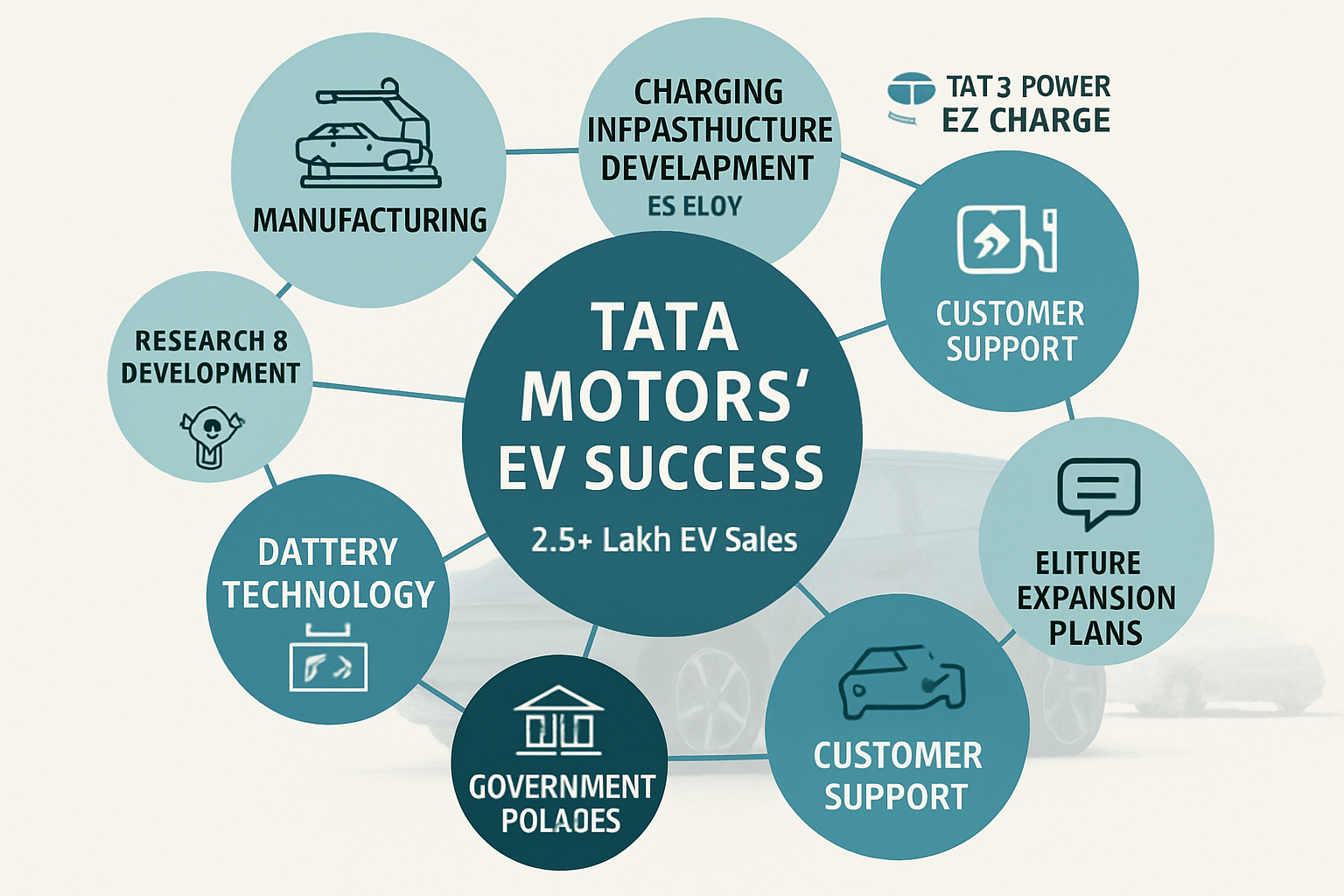
The announcement that Tata Motors Crosses 2.5 Lakh EV Sales is more than just a headline; it’s a landmark event signifying a paradigm shift in India’s automotive landscape. It underscores Tata Motors’ visionary leadership, unwavering commitment to electric mobility, and its pivotal role in driving India’s green revolution. This achievement is a testament to their strategic product planning, indigenous technology development, and a comprehensive ecosystem approach that has successfully addressed common barriers to EV adoption.
As we look towards the rest of 2025 and beyond, Tata Motors is poised to further consolidate its leadership, with continued innovation in battery technology, expansion of its charging network, and the introduction of even more compelling EV models. This success story not only bodes well for the company but also for the sustainable future of transportation in India. The electric dream is rapidly becoming a reality, and Tata Motors is leading the charge, quite literally.
Actionable Next Steps
- For Consumers: If you’re considering an EV, explore Tata Motors’ current lineup, including the Nexon EV, Tiago EV, and Punch EV. Test drive these models and evaluate their fit for your daily needs. Visit carfatafat.com for detailed reviews and comparisons of these and other vehicles.
- For Industry Stakeholders: Continue to invest in R&D for advanced battery technologies, expand charging infrastructure, and foster collaborations to accelerate the transition to electric mobility.
- For Policymakers: Support the EV ecosystem with consistent and long-term policy incentives, investments in public charging infrastructure, and favorable regulations for manufacturing and adoption.
The journey to 2.5 lakh EVs is a clear indicator that India is ready for its electric future, and Tata Motors is steering the way.
References
[1] Tata Motors Official Press Releases & Financial Reports (Internal Data/Public Statements – 2024-2025 reporting period).
[2] Tata Power EZ Charge Network Growth Statistics (Publicly available data on Tata Power website – 2025 projections).