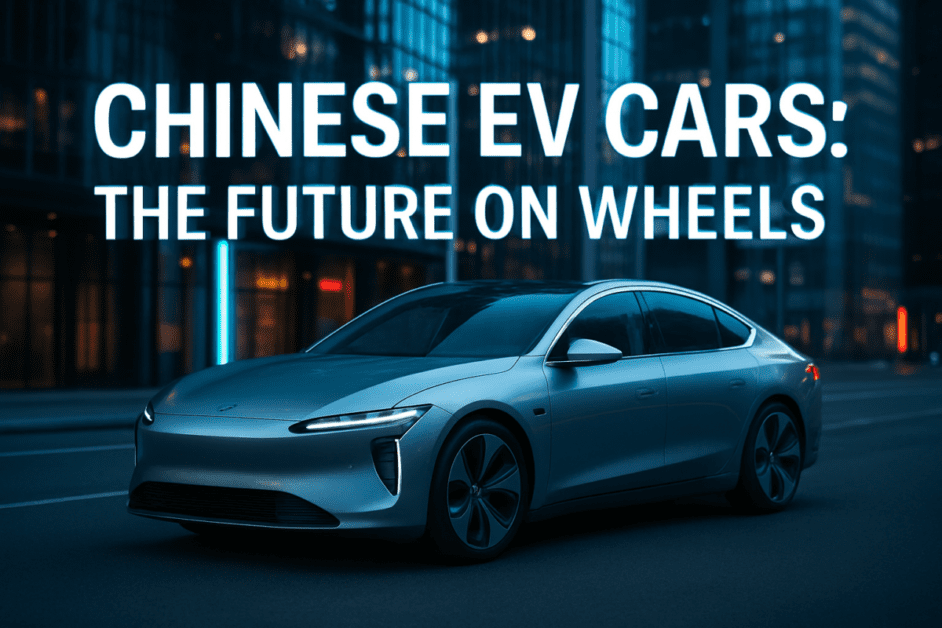
The automotive landscape is undergoing a seismic shift, and at the epicenter of this transformation are Chinese EV cars. Once viewed as emerging players, Chinese manufacturers have rapidly ascended to become global leaders in electric vehicle technology, innovation, and production. In 2025, their impact is undeniable, reshaping consumer expectations, challenging established norms, and accelerating the worldwide transition to sustainable transportation. From cutting-edge battery advancements to sophisticated smart features and increasingly competitive pricing, Chinese EVs are not just participating in the future; they are actively defining it. Join me as we explore the remarkable rise and ongoing evolution of these pivotal vehicles.
Key Takeaways
- Global Dominance: Chinese EV manufacturers like BYD, Nio, and Xpeng are no longer just domestic giants; they are significant international players, expanding rapidly into Europe, Southeast Asia, and other key markets.
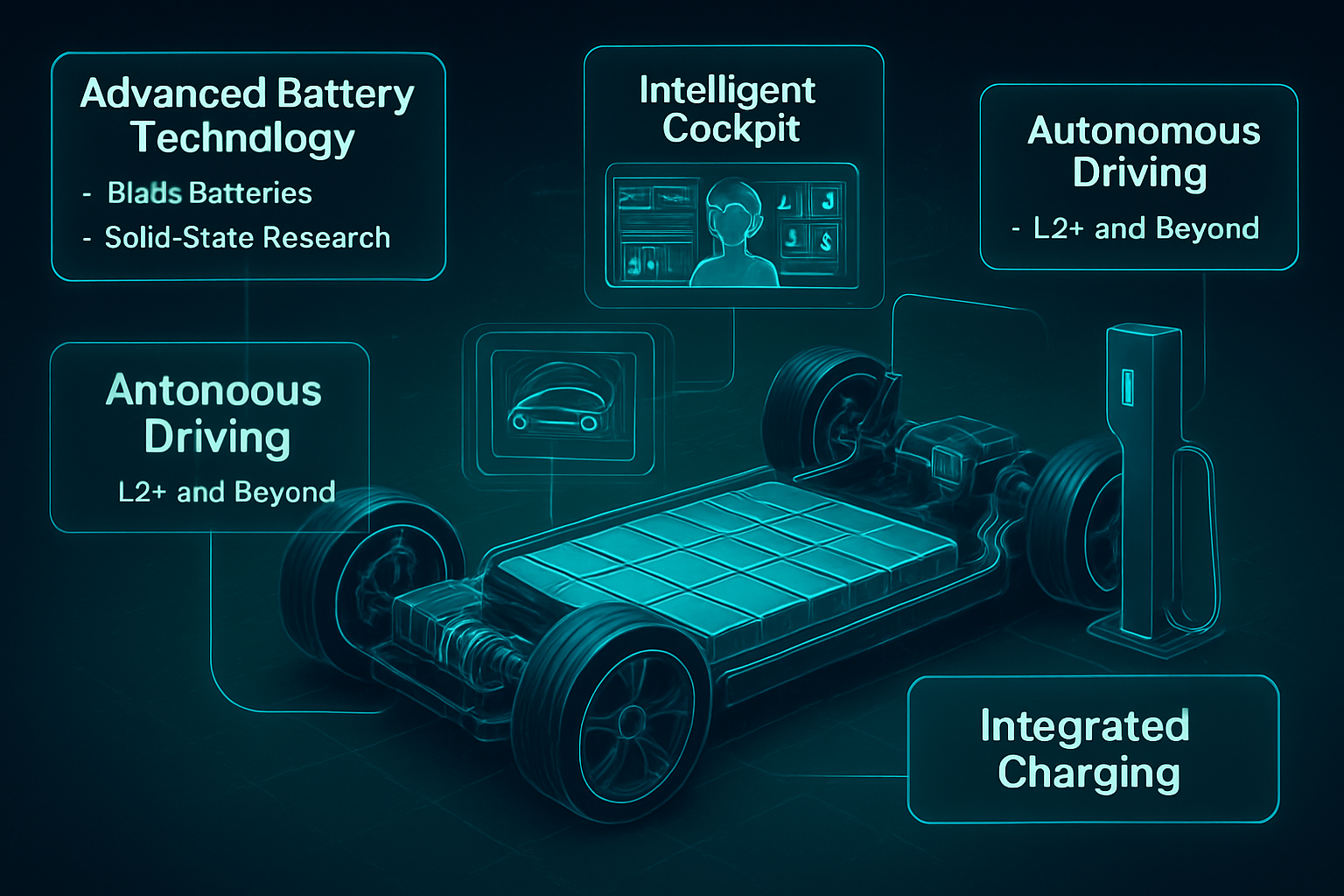
- Technological Innovation: Chinese EV cars are at the forefront of battery technology (e.g., blade batteries, solid-state research), intelligent cockpits, and advanced autonomous driving systems.
- Competitive Pricing: A major appeal of many Chinese EV models is their ability to offer advanced features and decent range at highly competitive price points, making EVs more accessible.
- Diverse Offerings: From luxury sedans to practical urban commuters and robust SUVs, the range of Chinese EV cars is incredibly diverse, catering to a broad spectrum of consumer needs and preferences.
- Future Outlook: Expect continued aggressive expansion, further technological breakthroughs, and increased competition from Chinese brands, solidifying their long-term position in the global automotive industry.
The Unstoppable Rise of Chinese EV Cars: A Global Phenomenon
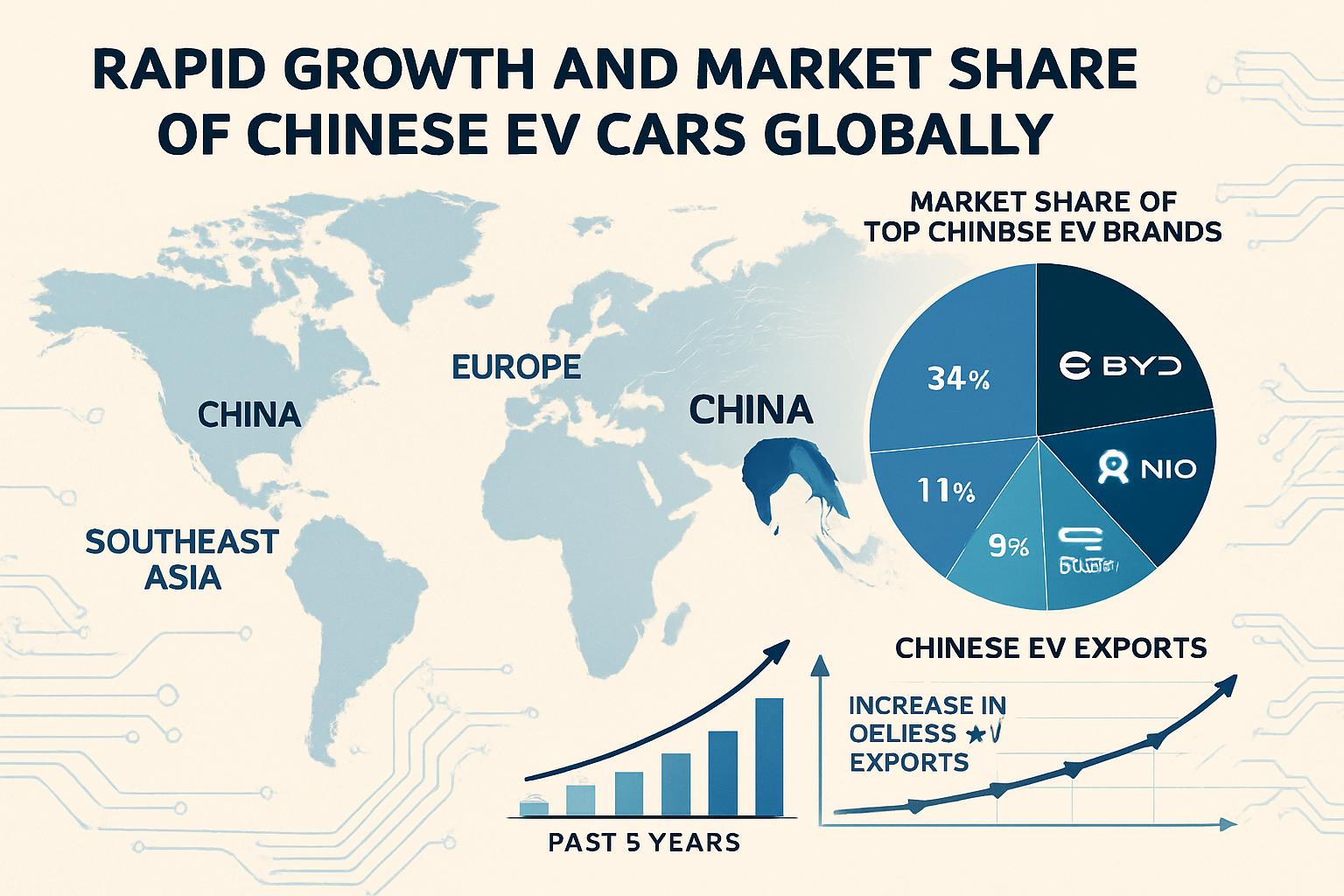
The story of Chinese EV cars is one of rapid growth, strategic investment, and relentless innovation. What started as a domestic push to combat air pollution and secure energy independence has blossomed into a global powerhouse. China now boasts the world’s largest EV market, and its manufacturers are increasingly exporting their electric vehicles to every corner of the globe.
Think about it: just a few years ago, names like BYD, Nio, and Xpeng were relatively unknown outside of China. Today, they are household names in many parts of the world, challenging established automotive giants like Tesla, Volkswagen, and Hyundai. This isn’t just about volume; it’s about quality, technology, and a distinct vision for the future of mobility.
Market Dominance and Export Prowess
China’s domestic EV market is colossal. Government incentives, robust charging infrastructure, and a tech-savvy consumer base have fueled this explosion. But the real story for 2025 is their undeniable export success. European streets are increasingly seeing Chinese-made EVs, and brands are aggressively expanding into markets like Southeast Asia, Latin America, and even gearing up for a stronger presence in North America.
Take BYD, for example. It has surpassed Tesla in global EV sales (pure BEVs and PHEVs combined) and is making significant inroads worldwide. Their “Blade Battery” technology, known for its safety and energy density, is a game-changer. Other players like Geely, which owns Volvo and Polestar, and SAIC, which includes MG, are also critical to this export surge. MG’s electric vehicles, like the ZS EV and Comet EV, have found strong traction in markets such as India, offering a blend of features and affordability.
The global appetite for electric vehicles is immense, and Chinese EV cars are perfectly positioned to meet this demand. They offer a compelling package of innovation, range, and often, a more accessible price point compared to their Western counterparts. For consumers looking for the best EV cars in India or anywhere else, Chinese options are now front and center.

The Numbers Speak Volumes 📈
To understand the scale, consider these points:
- Production Capacity: China has invested heavily in manufacturing capabilities, creating an ecosystem that allows for rapid production scaling.
- Battery Supply Chain: Chinese companies dominate the battery supply chain, from raw materials to cell production, giving them a significant cost advantage.
- Government Support: While initial subsidies have been scaled back, strategic government policies continue to foster innovation and market growth.
This comprehensive approach has allowed Chinese manufacturers to iterate quickly, learn from market feedback, and continuously improve their offerings. The result is a diverse portfolio of electric cars that can compete on any stage.
Beyond Affordability: Technological Leadership in Chinese EV Cars
While competitive pricing is a significant draw, it would be a mistake to characterize Chinese EV cars solely by their cost-effectiveness. These vehicles are packed with cutting-edge technology that often rivals, and in some cases surpasses, what’s available from legacy automakers.
Battery Innovation: The Core Advantage
The heart of any EV is its battery, and Chinese companies are leading the charge here.
- Blade Batteries (BYD): These elongated, thin cells increase space utilization within the battery pack, leading to higher energy density and enhanced safety due to improved thermal management.
- Cell-to-Pack (CTP) Technology: Many Chinese manufacturers are adopting CTP and even Cell-to-Chassis (CTC) designs, integrating battery cells directly into the pack or vehicle frame. This reduces weight, complexity, and cost, while increasing volumetric energy density.
- Solid-State Batteries: While still largely in development, Chinese firms are investing heavily in solid-state battery research, which promises even greater energy density, faster charging, and improved safety. Expect to see significant breakthroughs in this area by the end of the decade.
Intelligent Cockpits and Autonomous Driving
Step inside a modern Chinese EV, and you’ll often find a highly advanced, digitally integrated experience.
- Large Touchscreens: Multi-screen setups, often incorporating OLED technology, are common, providing intuitive control over infotainment, navigation, and vehicle settings.
- AI Assistants: Voice-activated AI assistants, often deeply integrated with the car’s systems and cloud services, offer a personalized and responsive user experience.
- Over-the-Air (OTA) Updates: Like Tesla, many Chinese EVs receive regular OTA updates, continually improving features, performance, and bug fixes without needing a visit to a service center.
- Advanced Driver-Assistance Systems (ADAS): Companies like Xpeng are pushing the boundaries with advanced L2+ and even L3 autonomous driving capabilities in their consumer vehicles, leveraging sophisticated sensor suites and powerful AI chips. These systems offer features like adaptive cruise control, lane-keeping assist, automated parking, and even navigation-guided pilot assistance.
This focus on integrating software, hardware, and AI creates a seamless and often futuristic driving experience. It’s not just about getting from A to B; it’s about how you experience the journey.
Key Brands and Their Offerings
Let’s look at some of the prominent players shaping the landscape of Chinese EV cars:

- BYD (Build Your Dreams): A vertically integrated giant, BYD manufactures everything from batteries to semiconductors and, of course, a wide range of EVs.
- Notable Models: Seal (sporty sedan), Atto 3 (compact SUV), Dolphin (hatchback). Their global expansion is aggressive.
- Innovation: Blade Battery, DM-i hybrid technology.
- Nio: Positioned as a premium brand, Nio focuses on user experience and battery swap technology.
- Notable Models: ET7 (luxury sedan), ES8 (large SUV), ET5 (mid-size sedan).
- Innovation: Battery-as-a-Service (BaaS), Power Swap Stations for quick battery changes.
- Xpeng: Known for its strong focus on intelligent features and autonomous driving.
- Notable Models: P7 (sporty sedan), G9 (premium SUV).
- Innovation: XNGP (Xpeng Navigation Guided Pilot) ADAS, advanced voice control.
- Geely Auto: A diversified automotive group that owns Volvo, Polestar, and Lotus, among others. Its own EV brand, Zeekr, is making waves.
- Notable Models: Zeekr 001 (shooting brake EV), Zeekr X (compact SUV).
- Innovation: SEA (Sustainable Experience Architecture) platform, premium build quality.
- SAIC (MG, Maxus, Roewe): A state-owned giant with several brands under its belt, known for its strong presence in international markets with MG.
- Notable Models: MG ZS EV (SUV), MG Comet EV (urban micro-EV).
- Innovation: Accessible EVs for a wider audience, strong international distribution network.
- Great Wall Motor (GWM – Ora, Wey): Another rapidly expanding brand with distinct EV sub-brands.
- Notable Models: Ora Funky Cat (quirky retro hatchback).
- Innovation: Distinctive design, focus on urban mobility solutions.
This competitive environment pushes each company to innovate further, leading to better products for consumers worldwide. The variety is truly impressive, from affordable options to luxury contenders, showcasing the depth of the Chinese EV market. For those considering new car launches, staying updated on these brands is crucial as they are increasingly part of India’s latest car launches and global unveilings.
The Future Landscape: Challenges and Opportunities for Chinese EV Cars
As we navigate through 2025 and look ahead, the trajectory for Chinese EV cars is one of continued growth, but not without its challenges. The industry is dynamic, with shifting geopolitical landscapes, evolving consumer preferences, and intense competition.
Navigating Global Competition and Trade Policies
The success of Chinese EV cars has inevitably led to increased scrutiny and protectionist measures from other major economies. In Europe, for instance, there are ongoing discussions and investigations into potential subsidies that might give Chinese manufacturers an “unfair advantage.” Similar sentiments are echoed in North America.
- Trade Barriers: Expect to see higher tariffs or stricter import regulations in some markets. This could force Chinese manufacturers to consider establishing local production facilities in key regions, similar to how Japanese and Korean automakers did decades ago.
- Localization: To overcome trade barriers and cater better to local tastes, more Chinese EV brands will invest in R&D and manufacturing hubs outside China. This could mean more jobs and economic benefits for host countries.
- Brand Perception: While quality has significantly improved, some consumers in Western markets still harbor skepticism towards “Made in China.” Building trust and a premium brand image will be crucial for long-term success. Nio, with its emphasis on service and community, is a prime example of a brand actively addressing this.
Despite these hurdles, the fundamental advantages of Chinese EV cars – their cost-effectiveness, technological sophistication, and production scale – remain powerful. They are forcing traditional automakers to accelerate their own EV strategies and offer more competitive products.
Sustainability and Supply Chain Resilience
The global demand for EVs places immense pressure on raw material supply chains, particularly for lithium, cobalt, and nickel. Chinese companies have been proactive in securing these resources, but the environmental and ethical implications of mining remain a concern.

- Responsible Sourcing: Growing pressure from consumers and regulators will push Chinese manufacturers to demonstrate greater transparency and responsibility in their supply chains.
- Battery Recycling: As the volume of EVs grows, so does the need for efficient and sustainable battery recycling programs. Chinese companies are investing in this area to create a circular economy for EV batteries.
- Diversification of Materials: Research into alternative battery chemistries, such as sodium-ion batteries, which use more abundant materials, will continue to gain traction. This reduces reliance on critical and often controversial minerals.
The Road Ahead: Innovation and Consumer Choice
Looking to the rest of 2025 and beyond, I anticipate several key trends for Chinese EV cars:
- Continued Design Evolution: While early Chinese EVs sometimes lacked distinctive aesthetics, newer models boast sleek, modern designs that appeal to global tastes. Expect further refinement and differentiation.
- Focus on Software and Services: The competitive edge will increasingly come from advanced software features, connectivity services, and personalized in-car experiences. This is where the integration of AI, 5G, and IoT will shine.
- Expansion into New Segments: From electric pickup trucks to luxury grand tourers, Chinese brands will continue to fill niches and expand their product portfolios. We might even see specialized affordable cars under ₹2 lakh equivalent in other markets, though perhaps not in the Indian context for EVs just yet, given current infrastructure and cost.
- Partnerships and Collaborations: Chinese EV companies may increasingly form strategic alliances with international tech firms, design studios, or even traditional automakers to accelerate innovation and market entry.
- Hydrogen Fuel Cells: While battery electric vehicles (BEVs) dominate, some Chinese manufacturers are also exploring hydrogen fuel cell vehicles (FCEVs), particularly for heavy-duty transport and commercial applications.
The rapid pace of development in China’s EV sector means that what is cutting-edge today might be commonplace tomorrow. For consumers, this translates to more choices, better technology, and ultimately, a faster transition to electric mobility. Whether you’re interested in upcoming SUVs in India for 2025-2028 or the latest electric sedans globally, Chinese brands are now an essential part of the conversation. Their drive for innovation and market expansion is undeniable, making them a force that automotive enthusiasts and industry observers alike cannot afford to ignore.
Conclusion
The ascendancy of Chinese EV cars is one of the most compelling narratives in the automotive industry right now. What we are witnessing in 2025 is not just the growth of a market, but the emergence of a new global automotive superpower. Chinese manufacturers have skillfully combined aggressive investment, rapid technological development, and a keen understanding of consumer needs to carve out a dominant position in the electric vehicle sector.
From their groundbreaking battery technologies and sophisticated intelligent cockpits to their diverse model lineups and increasingly competitive pricing, Chinese EVs offer a formidable package. They are no longer merely followers but trendsetters, pushing the boundaries of what electric vehicles can achieve. While challenges such as geopolitical tensions and the need for enhanced global brand perception persist, the underlying momentum and strategic advantages of these companies are undeniable.
For consumers worldwide, this translates into exciting times. More choices, more innovation, and greater affordability are accelerating the adoption of electric vehicles at an unprecedented rate. As an expert in this field, I firmly believe that Chinese EV cars will continue to be a primary driving force in shaping the future of sustainable transportation for decades to come.
Actionable Next Steps
- Stay Informed: Keep an eye on new model launches and technological advancements from Chinese EV brands. Follow industry news and reviews, especially for those expanding into your local market.
- Consider a Test Drive: If you’re in the market for an EV, don’t overlook Chinese options. Many offer excellent value and advanced features. Experience them firsthand.
- Research Beyond the Hype: Delve into specific battery technologies, safety ratings, and after-sales service networks to make an informed decision.
- Support Innovation: By choosing an EV, regardless of origin, you contribute to a greener future and encourage further innovation in sustainable transport.